

STUDENTS who post lurid stories on the Swansea Uni Confessions facebook page have been warned that they could be jeopardizing their future employment prospects.
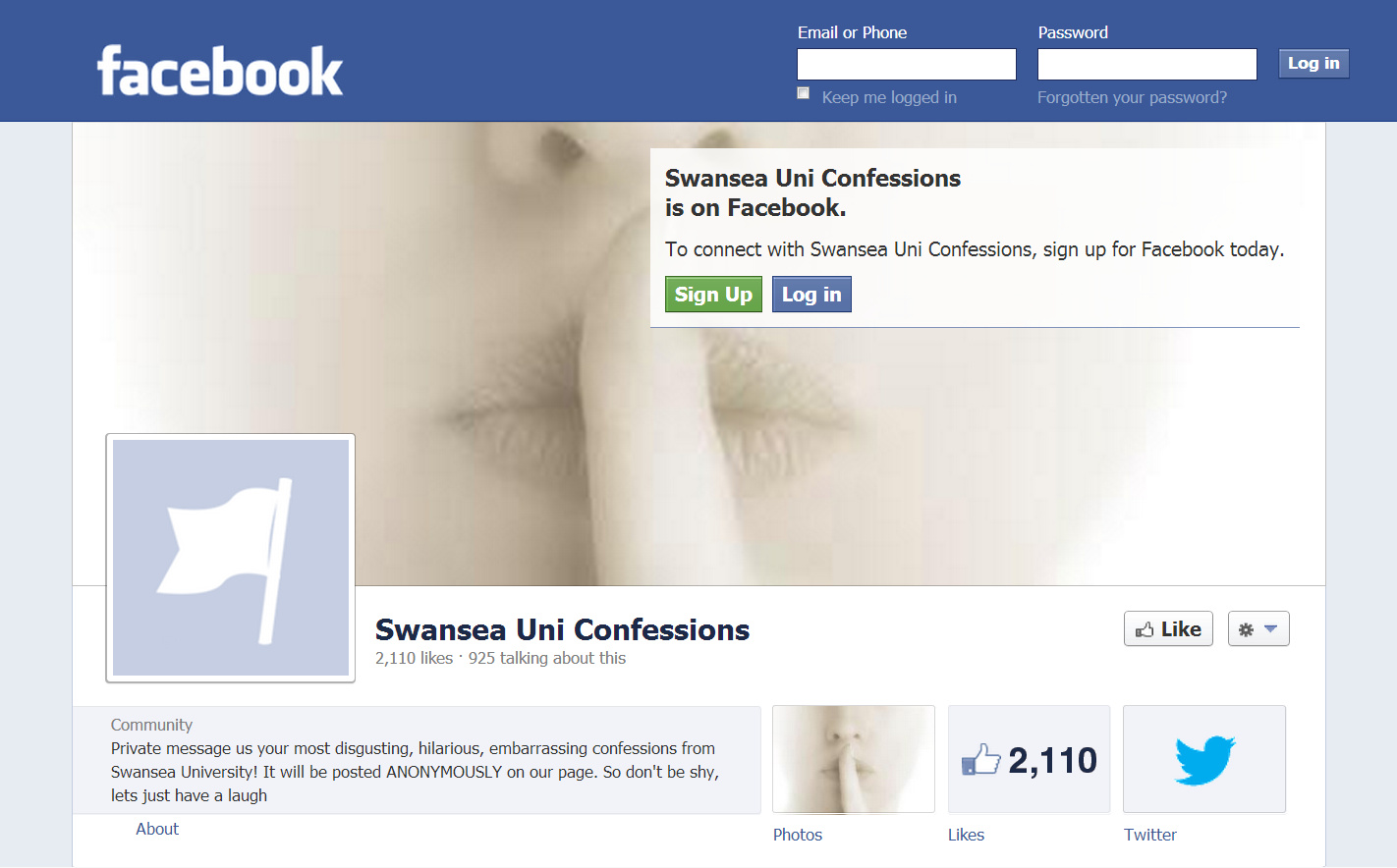
The page encourages students to write “your most disgusting, hilarious, embarrassing confessions from Swansea University”.
But it has been roundly condemned in a joint statement from registrar Raymond Ciborowski and Tom Upton, students’ union president.
“University regulations clearly state that it is a disciplinary offence to engage in behaviour which could bring the university into disrepute – this includes social media activity.”

Registrar Raymon Ciborowski: “There is no such thing as absolute freedom of speech”
The page, which has received over 2,000 likes since it was founded in early October, promises anonymity. But the joint statement warns that students could be unmasked.
“Students are sharing personal information (including explicit content) with an anonymous page administrator, who has no accountability. There is no evidence that the page administrator is even a fellow student. As a result, participants’ personal details could potentially be made publicly available – for viewing by fellow students, staff, public, press, potential employers, etc.”
Similar facebook pages have surfaced in the past month at universities across the UK, causing widespread controversy. At Exeter, the university put pressure on the page creator, who remained anonymous, to close the page.
The statement also reminds students that “irresponsible use of social media can damage their future employment prospects”.
“We have received complaints from students and alumni about the potential damage this page could do to their own employability, as a result of damage to the university’s reputation.
“Companies are increasingly searching for information on job applicants and the organisations they are connected to – already 30% of UK HR Directors use social media to recruit candidates, and 22% check candidates’ online activity.”
Students have defended their freedom of speech but the statement warns: “The Internet and social media are governed by laws relating to defamation and public order, and as a result, there is no such thing as absolute freedom of speech.”
Comment Below (Moderated)
comments